
TCP-IP Protocol
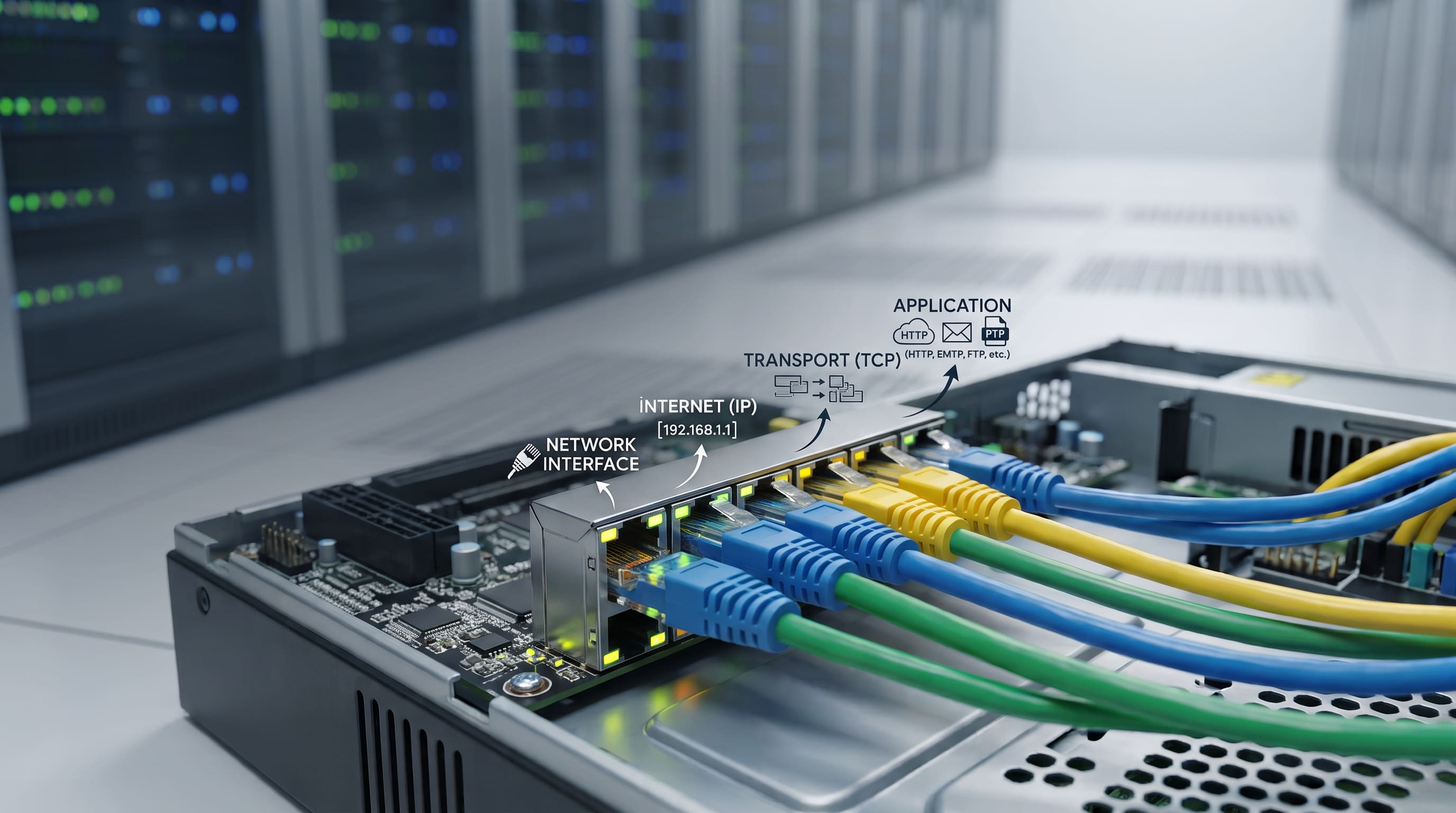
What is the TCP-IP?
TCP-IP Protocol is a combination of the TCP and IP. The meaning of TCP is Transmission Control Protocol and the meaning of IP is Internet Protocol. This protocol is a package communication system for communicate the devices which are in the same network from the internet. The first model of the TCP has been enhanced by American Defence Ministry for defence research projects. That Project has been integrated with ARPANET at first but it has 4 version until today. At the first versions (NCP and RFC 675), TCP was doing the tasks of IP. The fourth version is RFC 793 still used version since 1981.
How TCP-IP Protocol works?
TCP transmits the datas with packages without loss. It is sending with packages because when the system transmits a data without splitting it to the packages and if the data could not be send or become confused, the whole datas should have sended again. Therefore TCP-IP splits datas to the packages and those packages become together and turns to the datas in the receiver.
TCP and IP are different communication protocols. IP is using for directing the packages and be sure of they had sended right address, certainly. Besides it is not necessary of what do you send or the content of it in IP protocol. TCP inspects the receiver accepted the data or not. TCP is responsible for transmit the datas, IP is responsible for the address of receiver.
What are the layers of TCP-IP?
Application,
Transport,
Internet,
Network Interface.
Application: In this layer, the right protocols has become chosen for data type (HTTPS, SMTP, FTP esc.) The programmes communicate with protocols which will be use. Application layer communicates with transport layer by the ports. Besides that ports made the content of data understandable.
Transport: This layer shows how to send the data. In the transport layer, TCP and UDP are in charge. General task of this layer is package the data and transmit to the other layer.
Internet: In this layer, the target and source IP address added to the data and the receiver computer became identified.
Network Interface: The datas seems physically in this layer. The datas are processed and became shown as digital signals (1-0).